
Federal Jobs Hiring Reform
Federal government recruitment and hiring will be revamped and updated. On, May 11, 2010 President Obama signed a memorandum calling for federal government hiring reform.
The memo calls for removing the essay-style questions in the application process because of the lengthiness they present. It also called for increased involvement in the hiring process itself by managers.
In the memo Obama said, “To deliver the quality services and results the American people expect and deserve, the federal government must recruit and hire highly qualified employees, and public services should be a career of choice for the most talented Americans.”
“Yet the complexity and inefficiency of today’s federal hiring process deters many highly qualified individuals from seeking and obtaining jobs in the federal government,” he said.
This reform has been called a “historic opportunity” by Marilee Fitzgerald, the Pentagon’s acting deputy undersecretary of defense for civilian personnel policy, for its ability to finally get rid of the out-of-date system.
Currently the bureaucratic red-tape may limit talent because applicants may be deterred. This is first hiring reform act since the Civil Service Reform Act of 1978 and will prompt widespread changes.
Here are some examples of current job openings with the Federal Government:
| Title | Pay Plan/Series/Grade | Salary Range | Agency | Location | Closing Date |
| Resolutions & Receiverships Spec (Contracts) CG-1101-13 Term | CG-1101-13/13 | $89,035-$147,312 | US Other Agencies and Orgs/Federal Deposit Insurance Corporation | TX-Dallas | 07/29/2010 |
| VOCATIONAL REHABILITATION SPECIALIST | GS-1715-09/11 | $51,995-$81,779 | Department Of Veterans Affairs/Veterans Health Administration | Chicago Metro area | 05/26/2010 |
| Occupational Therapist | YH-0631-02 | $40,695-$110,104 | Department Of The Navy/Naval Medical Command | Sigonella & Sicily, Ita | 06/3/2010 |
| SUPV MEDICAL TECHNOLOGIST | YH-0644-02/02 | $52,252-$67,931 | Department Of The Army/Army Medical Command | KS – Ft Riley & Manhattan | 06/3/2010 |
| Intelligence Specialist (COL REQ MGR) | IA-0132-04/04 | $59,158-$109,611 | Department Of The Army/Joint Activities | NC – Fayetteville | 06/3/2010 |
| LOAN ASSISTANT (AGRL), GS-1165 5/7 | GS-1165-05/07 | $31,315-$50,431 | Department Of Agriculture/Farm Service Agency | Throughout Nebraska | 06/10/2010 |
| Nutritionist | GS-0630-12/12 | $72,733-$94,551 | Department Of Agriculture/Food and Nutrition Service | TX-Dallas | 06/11/2010 |
| Financial Technician | IA-0503-2 | $42,209-$73,917 | Department Of The Navy/Commander in Chief of the U.S. Atlantic Fleet | Andrews AFB | 05/27/2010 |
| HISTORIAN | GS-0170-13/13 | $83,479-$108,521 | Department Of The Army/Army Training and Doctrine Command | VA – Fort Lee | 06/9/2010 |
| Public Affairs Specialist | GS-1035-12/13 | $73,848-$114,158 | Department Of Labor/Office of Public Affairs | CO-Denver | 06/2/2010 |
source: executivegov.com
click here for more salary information
In: Careers, Job Search Advice · Tagged with: Agency Location, Bureaucratic Red Tape, Chicago Metro Area, Civil Service Reform Act, Civil Service Reform Act Of 1978, Civilian Personnel Policy, Department Of The Army, Department Of The Navy, Department Of Veterans Affairs, Deposit Insurance Corporation, Essay Style, Federal Deposit Insurance, Federal Deposit Insurance Corporation, Government Recruitment, Medical Command, Salary Range, Talented Americans, Undersecretary Of Defense, Veterans Affairs Veterans Health Administration, Veterans Health Administration
Using LinkedIn in your job search
Recruiters use LinkedIn to search for, find, and contact potential candidates on a daily basis – in fact, there are over 1,000,000 sourcers, recruiters, and human resources professionals on Linkedin in the United States alone! While I typically write posts for sourcers and recruiters to show them how they can more effectively leverage social networking sites like LinkedIn to find candidates, in this post, I am going to show job seekers how they can use the exact same techniques and strategies to find jobs, perform company research, and how to find and contact recruiters and hiring managers – even if you only have 5 connections!
First we’ll start with the basics. I’m going to save the best for last.
Job Search
Many people are unaware of all of the great features on LinkedIn for job seekers.

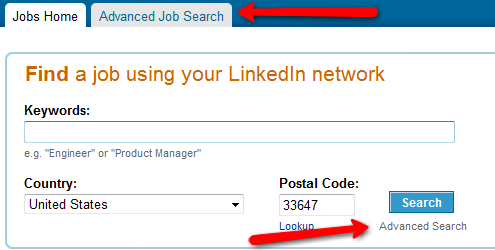
Once you click on “Jobs” you can use the basic search interface, or click on the “advanced” job search:
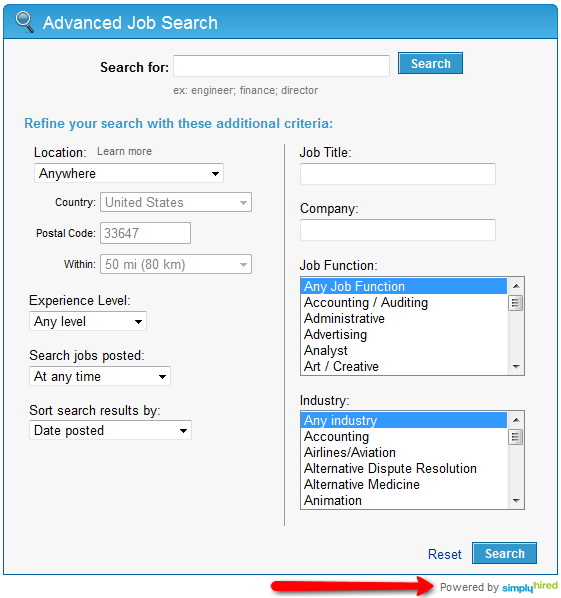
Once you get to the “Advanced Job Search” you have many self explanatory and standard job search options. You can target specific companies, titles, industry, job function, location, etc. One thing to notice is the “Powered by SimplyHired” – I’ll get to that in a moment, it’s important.
Let’s say you’re looking for a job as an accountant in NYC. When you enter your search criteria and hit “search” you will be taken to LinkedIn’s jobs. When I say “LinkedIn’s jobs,” I mean the jobs that people/companies have paid to post on LinkedIn. I bring this up because there are other job postings you can find through LinkedIn that are free to post as well as jobs that are posted to the Internet – not LinkedIn. First, let’s look at what you can do with LinkedIn’s jobs:
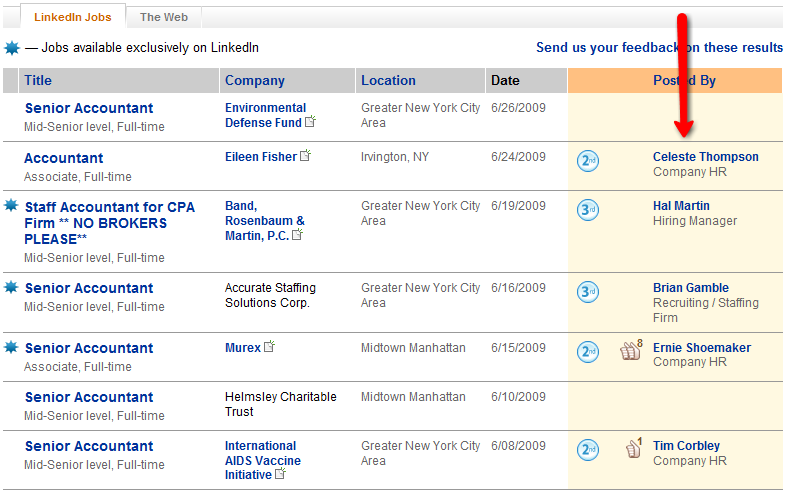
When you’re looking at LinkedIn’s jobs, you can see the people who posted the job if they happen to be in your network. If there isn’t a name under the “Posted By” column, then you are not connected to the person who posted the job.
If you click on the name of the person who posted the job, you’ll see that you may have a number of options. You can see who in your network “knows” (or at least is connected to) the person who posted the job, you can request a referral from someone in your network who is connected to the job poster, you can check your connections within the company that’s posted the job, and you can also request an introduction by people in your network who currently work at the company that posted the job. All great features and options!
source: booleanblackbelt
click here for more salary information
In: Job Search Advice · Tagged with: Accountant, Daily Basis, Hiring Managers, Human Resources Professionals, Industry Job, Job Options, Job Postings, Job Recruiters, Job Search, Job Seekers, Last Job, Linkedin, Looking For A Job, Search Interface, Search Options, Search People, Simplyhired, Social Networking Sites, Specific Companies, United States
Recession Proof Jobs
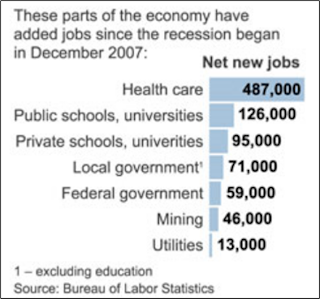
Despite the news of job losses and unemployment numbers, there is indeed strong employment opportunity in selected parts of this economy. In fact several industry segments have actually continued to add jobs throughout this whole recession. Indeed the jobs data shows bright spots — expanding industries that promise new, stable career opportunities.
• Health care
Hiring has continued non-stop at hospital, medical clinics and doctors’ offices.
Jobs in demand: nurses, lab technicians, physician assistants.
• Government
Cities, counties and school districts continue to add a great number of jobs — seven times as many as the federal government.
Jobs in demand: educators, police, firefighters and workers connected to infrastructure such as roads.
• Energy
Oil, gas, coal and electricity production have kept adding jobs, although the pace has slowed since energy prices declined last year. City utility jobs have also continued to increase.
According to BLS data, about 4.4 million people got hired into new jobs in January (2009), and 3 million more openings were available. Granted, those numbers are down sharply from the start of the recession, but don’t let anyone tell you there are “no jobs.”
source: The Good News Economist
click here for more salary information
In: Careers, Job Search Advice · Tagged with: Electricity Production, Employment Opportunity, Energy Prices, Federal Government Jobs, Firefighters, Gas Coal, Hospital Medical, Industry Segments, Jobs In Demand, Lab Technicians, Medical Clinics, New Jobs, Oil Gas, Physician Assistants, Recession Proof, Salary Information, School Districts, Seven Times, Stable Career, Unemployment Numbers
