Companies Actively Hiring Disabled and Special‑Needs Workers
By SalaryFor.com – real salaries for all professions
Companies across the United States are rethinking what inclusive hiring really means — not as a PR gesture, but as a long‑term workforce strategy that strengthens communities, improves retention, and creates meaningful career pathways for people with disabilities and special needs.
One of the most inspiring examples comes from a small town in Western New York: the Lewiston Public Library’s Chapters Café, a warm, community‑centered pop-up coffee shop staffed by adults with developmental disabilities. It’s a model more employers are beginning to study — and replicate.
Why Inclusive Hiring Is Growing
The shift is driven by three major forces:
- Record labor shortages in service, retail, logistics, and hospitality
- Corporate DEI commitments that now emphasize measurable outcomes
- Proven performance data showing that disabled and special‑needs employees often have higher retention, stronger attendance, and exceptional customer‑service ratings
Companies are realizing that disability inclusion isn’t charity — it’s smart workforce planning.
The Chapters Café Model: A Community Success Story
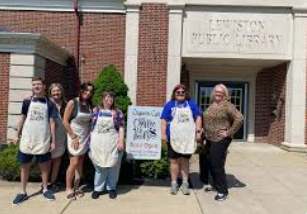
Inside the Lewiston Public Library, Chapters Café operates with a mission: provide meaningful employment, social connection, and skill‑building opportunities for adults with developmental disabilities.
Employees prepare coffee drinks and snacks, greet customers, run the register, and manage daily operations with support from trained job coaches. The environment is calm, structured, and designed for success — and the community has embraced it wholeheartedly.
Chapters Café demonstrates what happens when a workplace is built around the strengths of its employees instead of forcing them to fit into rigid corporate molds. It’s a blueprint more employers should study.

Companies Actively Hiring Disabled and Special‑Needs Workers
Across the country, several major employers and industries are expanding disability‑inclusive hiring programs:
1. Grocery & Retail Chains
Many large retailers now partner with vocational‑training organizations to create structured roles for workers with cognitive or physical disabilities. These roles often include:
- Front‑end customer assistance
- Cart retrieval
- Stocking and inventory
- Bakery and prep‑area support
2. Hospitality & Food Service
Hotels, restaurants, and cafés are increasingly adopting the Chapters Café model — predictable routines, supportive coaching, and clear task structures.
3. Logistics & Distribution
Warehouses and fulfillment centers have begun carving out roles that match the strengths of neurodiverse and special‑needs workers, such as:
- Sorting
- Packaging
- Labeling
- Quality checks
4. Local Government & Community Organizations
Libraries, parks departments, and municipal offices are quietly becoming some of the most consistent employers of disabled workers — often in partnership with nonprofit job‑training programs.
Why These Programs Work
Companies that invest in disability‑inclusive hiring consistently report:
- Higher employee loyalty
- Lower turnover costs
- Improved team morale
- Stronger community reputation
- Better customer satisfaction scores
And for workers, the benefits are even greater: independence, confidence, social connection, and a sense of purpose.
How Job Seekers With Disabilities Can Find These Opportunities
- Look for employers partnered with local disability‑employment agencies
- Search for “supported employment” or “inclusive hiring” programs
- Visit community organizations, libraries, and nonprofits that run vocational training
- Apply to large retailers and hospitality companies known for structured roles
The landscape is improving — and Chapters Café is proof that small organizations can lead the way.
Related Reading
- The Hidden Economics of Employee Turnover
- Interview Green Flags That Signal a Healthy Workplace
- The Companies with the Most Generous Vacation Policies — And What They’re Doing Differently
- Why Some Companies Thrive During Downturns — And Others Collapse
click here for more salary information
In: Business Stories · Tagged with: employees with disabilities